Future Ready: Recapping the RVA Conference 2026
Earlier this month, we travelled to Auckland for the Retirement Villages Association of New Zealand’s Annual Conference. Held from 3 to 5 August at the New Zealand International Convention Centre, this year’s theme was Future Ready, bringing the sector together over three days to connect and unpack what that looks like in practice.
It was a brilliant few days of conversations, ideas and scoops of gelato. Here’s our recap of some of the key themes and sessions.
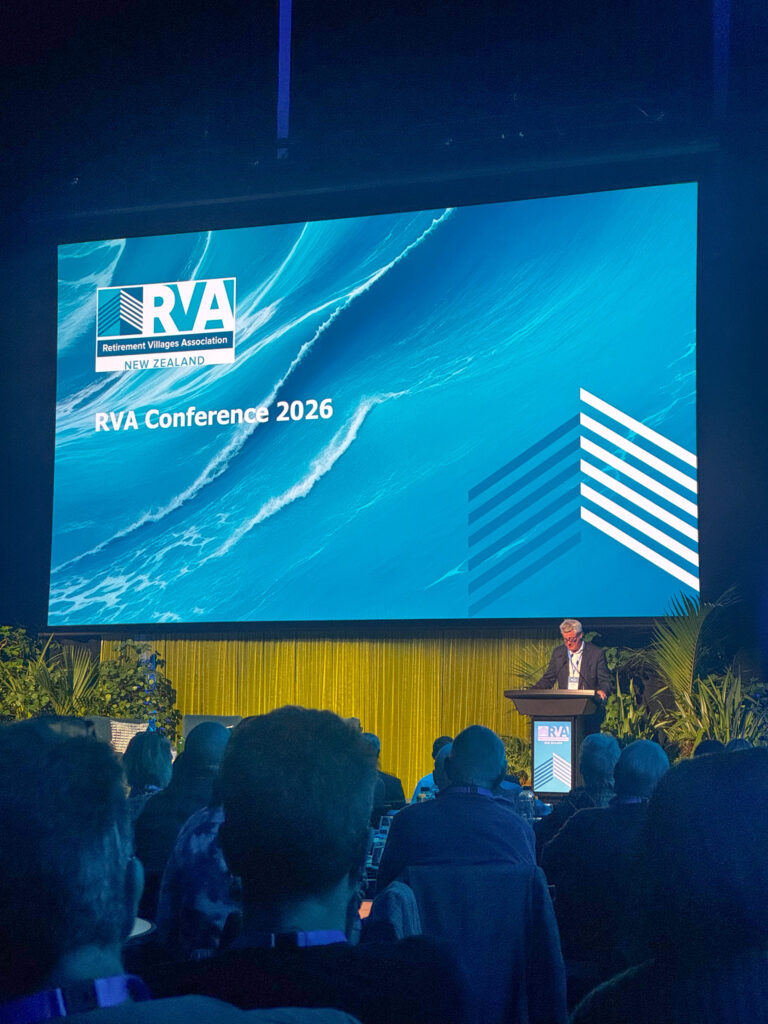
What Does “Future Ready” Really Mean?
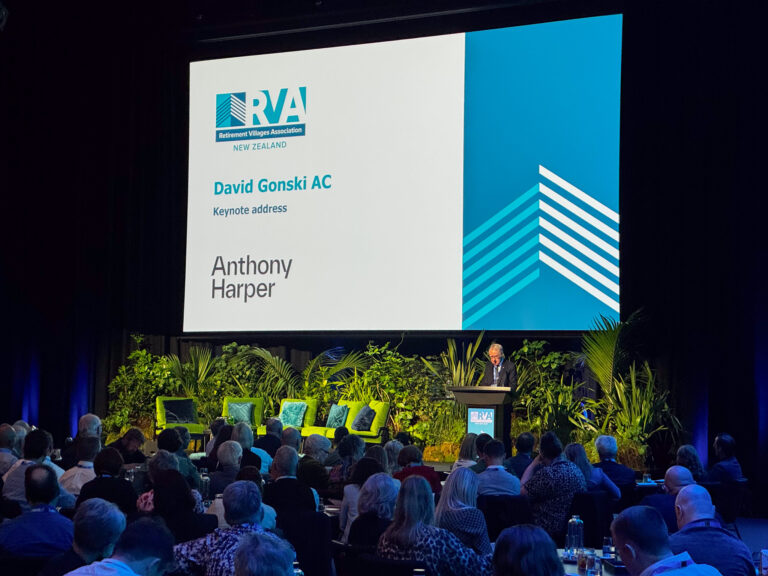
Opening keynote speaker David Gonski AC posed a question: does what we’re building for the sector improve residents’ lives, or does it just contain them?
Gonski brings some weight to the idea, currently chairing Barrenjoey, Sydney Airport, Levande and the UNSW Foundation, with past chairmanships at ANZ, ASX and the Future Fund.
It’s a straightforward question, but not always an easy one to answer, and it’s a solid benchmark for any village or service in retirement living.
Care that doesn’t feel like care
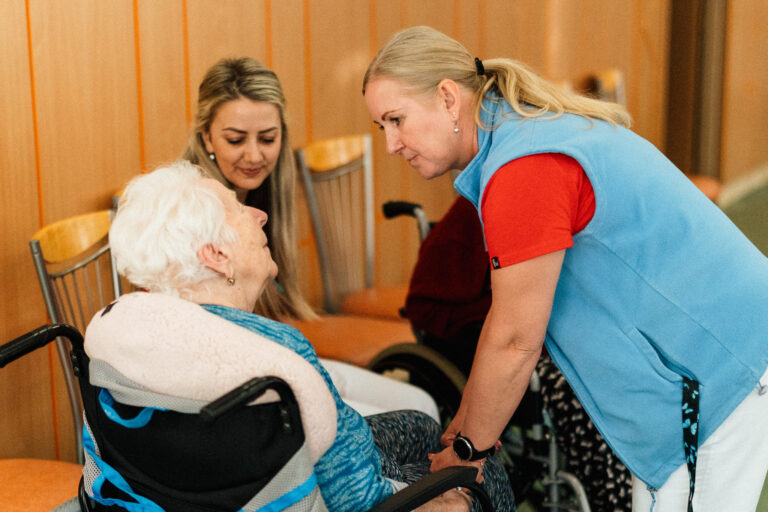
The traditional line between independent living and care is starting to blur. Residents want support, but they don’t want to feel like they’ve moved into a care environment.
Gonski spoke about Levande’s approach of partnering with a home care provider, Five Good Friends, to deliver personal care, health, domestic and social support directly in residents’ own homes, so that support can grow with the resident, with no disruptive move required.
The underlying philosophy is that ageing in place should be designed for, not left to chance.
This tied into a broader point about wellbeing. Loneliness has a measurable impact on mortality, and social connection has a measurable impact on physical health. So treating wellbeing as core operating infrastructure is quickly becoming best practice. In this model, village teams act as an early warning system, spotting change before it becomes a crisis.
Density, done well, feels like connection
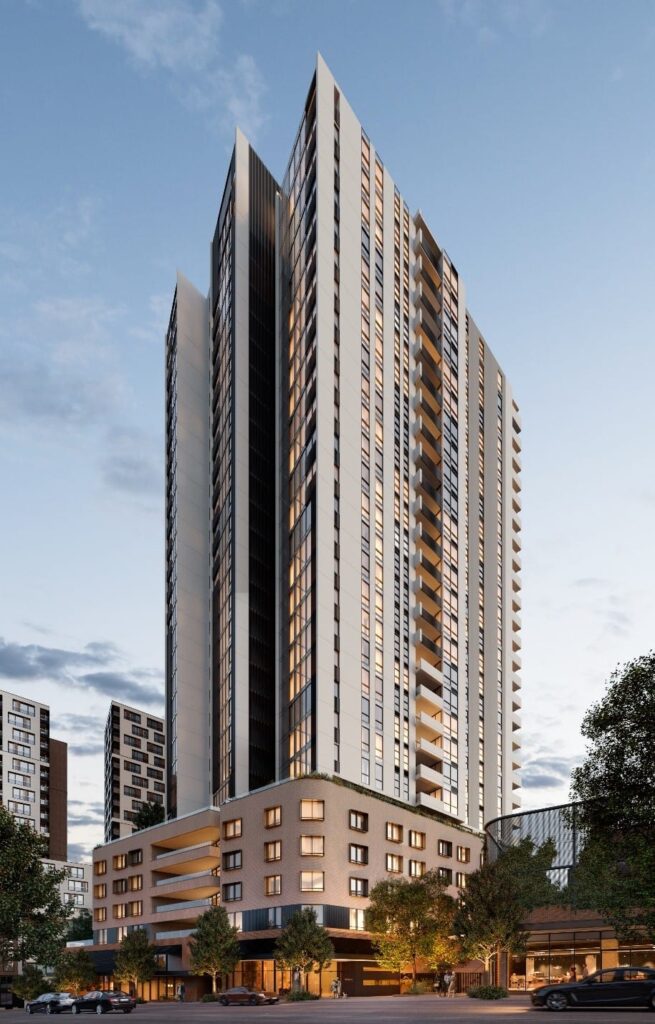
Another highlight was the conversation around urban density. Residents want to stay close to transport, shops, healthcare and family, rather than relocating to the urban fringe. That demand is creating a shift toward higher-density “vertical villages” in inner-ring locations.
The Cambridge in Epping, Sydney, a 28-storey, 158-apartment development, was used as a case study here. It opened in November with an NPS of 88 and 98% customer satisfaction.
One of the more interesting takeaways: demand for three-bedroom apartments outstripped demand for two-bedrooms, to the point where the development team redrew 42 planned two-bedroom units on the upper floors into 28 three-bedrooms mid-construction. They sold almost immediately.
Baby boomers want to downsize, it turns out, but not that much.
Village renewal is a leadership exercise
Gonski also spoke about the importance of treating village renewal projects as leadership exercises, not just development ones. Some residents might have lived in their home for 10 or more years, and now that home is being knocked down or majorly altered around them.
Residents’ homes, memories and sense of security are on the line, and Gonski walked through the principles for getting it right:
Principles for renewal:
- Do it with residents, not to them
- Earn permission early and keep earning it
- Deliver value early, not just at the end
- Be honest about disruption
- Trust is built through behaviour, not promises

Governance for long-term stewardship
Alongside renewal, governance was another topic that came up. Governance has to balance financial discipline with long-term stewardship, and for Levande, residents themselves have been one of the drivers of that shift.
Residents are actively wanting to reduce their environmental footprint, and they’ve been getting involved rather than just asking for change, contributing ideas around metering, waste monitoring and water reduction.
Global leaders panel: The future of retirement living
This panel brought together three sector leaders from across Australia and the UK: Natalie Smith, who leads BlueCare’s retirement living portfolio of 30+ villages across Queensland; Samantha Rowland, a UK and Europe senior living specialist with 20+ years in the sector; and Mark Prosser from Ageing Australia, who’s been connected to over 250 villages across Australia and Asia, often stepping in to help turn around villages facing challenges.
Together, they covered aged care service strategies and the supply and demand pressures within the sector.
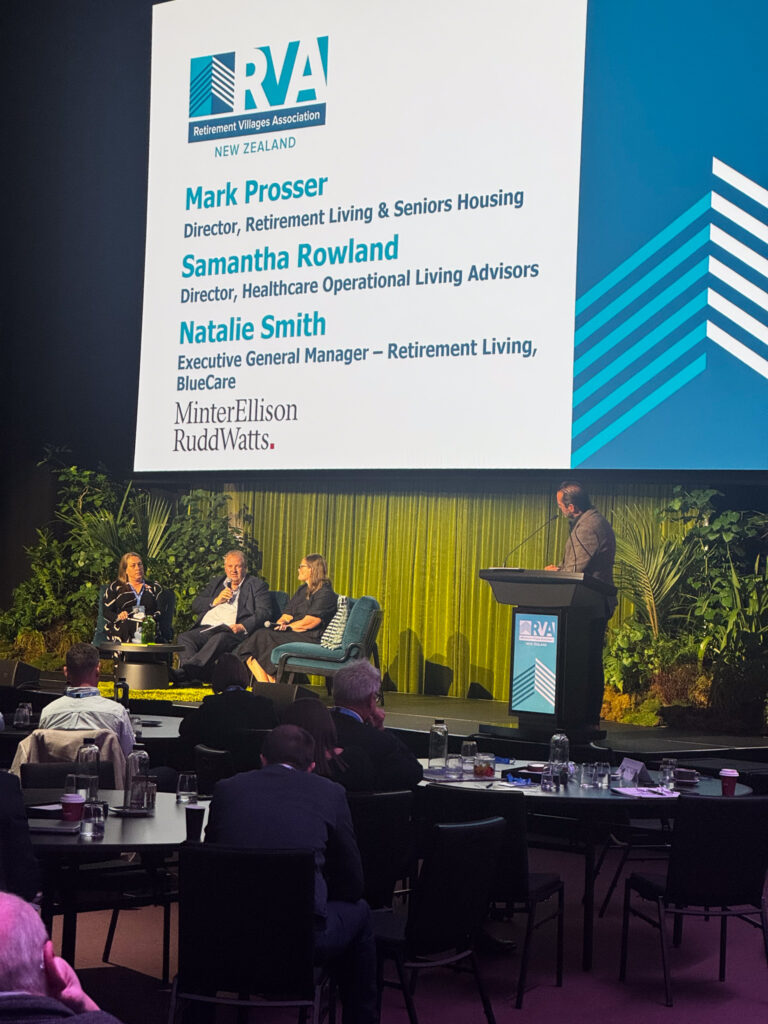
Aged care supply and demand, and how New Zealand and Australia compare to the UK
The session examined aged care service strategies and the very real supply and demand pressures within the sector.
In Australia, wait times of 12 months or more for a home care package or an aged care placement are pushing more aged care service operators toward a neighbourhood model, which means clustering services around high-density senior locations like retirement villages.
The New Zealand and Australian markets were also compared with the UK, where the penetration rate for retirement living sits at just 0.6%, compared to 5 to 6% in Australia and New Zealand.
The UK has no single Retirement Villages Act, and care homes tend to be built in isolation rather than alongside villages, unlike the integrated approach in Australia and New Zealand.

Regulation is catching up
Regulatory reform has been sweeping across the industry in Australia over the past couple of years, and operators are having to move quickly to keep up.
In Victoria, major reform landed in April, giving operators only a month’s notice to comply. Asset management planning is now a common requirement across states.
Mandatory codes of conduct are being layered on top of the voluntary code introduced back in 2018, with training requirements now reaching all the way to board level staff members.
Another gap that came up in discussion was that the current codes tend to focus on operator-resident disputes, but managing resident-to-resident disputes is increasingly falling to operators, regardless of formal obligation.
Residents are staying longer, and care is coming to them
The average move-in age has shifted from 73 to 79, and residents are typically staying in their villages for 8 to 10 years once they arrive.
Rather than becoming registered care providers themselves, operators are increasingly partnering with registered care providers based on-site. Many villages now have on-site care offices, letting residents self-refer for services as their needs change, without having to navigate the system alone or uproot their lives to get support.

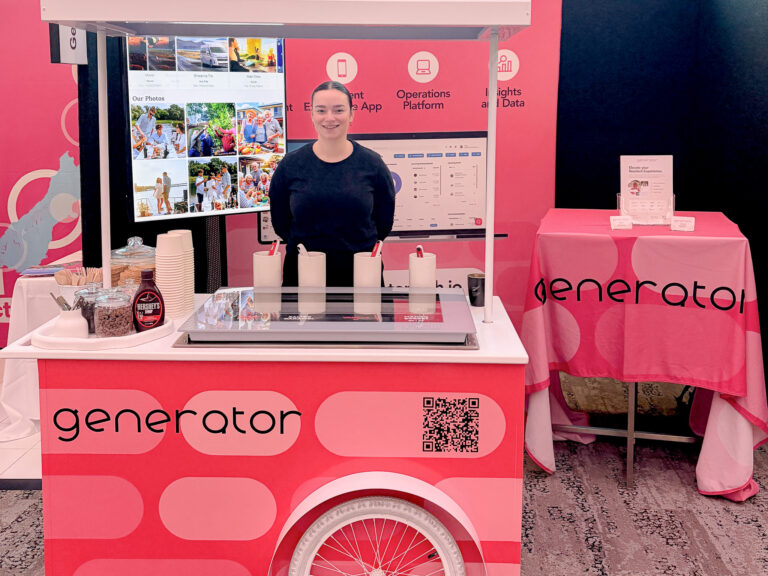
Gelato included at our stand
If you stopped by our stand over the three days, you probably walked away with a gelato in hand, and hopefully a good chat too. It was a great way to meet operators, directors and managers from across the sector, and to hear what’s on everyone’s minds heading into the rest of 2026.
Thanks to everyone who stopped by, whether it was for the gelato, the chat, or both. A big thank you to the RVA NZ team for putting together such a well-run event. As RVA NZ put it in their own wrap-up: hundreds of delegates, outstanding speakers and three days of new ideas and strengthened connections across the sector.
Until next time, Auckland!


Related Links
Join the Revolution: Embrace Our Resident App Today!
Ready to experience a revolution in residential living? Reach out now and embrace the future of living and become part of a vibrant, empowered movement redefining the way we live.